All Systems Operational
About This Site
Exploring The World Of Coffee Bean Varieties: A Comprehensive Guide
Coffee is one of the most popular beverages in the world, consumed by millions daily in countless variations. What many coffee drinkers don't realize is that the coffee beans themselves are incredibly diverse, each with its own distinct characteristics. These differences play a pivotal role in shaping the flavor, aroma, and overall experience of the coffee.

Understanding coffee bean varieties is key to appreciating the complexities and subtleties of a great cup of coffee. In this article, we will explore the world of coffee bean varieties, including the primary species of coffee, their unique characteristics, and how these beans are cultivated, processed, and roasted. Whether you're a casual coffee drinker or a seasoned aficionado, this guide will deepen your knowledge and help you navigate the fascinating world of coffee beans.
1. The Coffee Plant: An Overview of the Two Main Species
Coffee comes from the Coffea plant, which produces seeds known as coffee beans. While there are numerous species of coffee, two primary varieties dominate the global coffee market: Arabica (Coffea arabica) and Robusta (Coffea canephora). These two species are the foundation of the coffee industry, and understanding their differences is key to appreciating the nuances of coffee.
The relationship between coffee bean varieties and caffeine content is essential for understanding how different types of coffee beans impact the strength of your brew. The two most common types of coffee beans are Arabica and Robusta, and they have significant differences in both caffeine content and flavor profiles.
Arabica beans, generally considered higher quality, contain less caffeine than Robusta beans. Arabica typically contains about 1.2% caffeine by weight, while Robusta can contain up to 2.2% caffeine. This makes Robusta a stronger, more intense coffee with a bolder flavor and higher caffeine content. It also tends to have a more bitter taste due to the higher caffeine and chlorogenic acid levels.
Additionally, the origin of the beans can play a role in caffeine content. Beans grown at higher altitudes, such as those from Ethiopia or Colombia, often have more complex flavors but slightly lower caffeine content compared to beans from lowland regions.
To estimate the precise caffeine content of different coffee varieties, a caffeine calculator can be useful. It factors in variables like coffee-to-water ratio, brewing method, and grind size to help coffee drinkers understand how much caffeine they are consuming. Understanding bean variety and caffeine content allows you to tailor your coffee choice to your preferences for strength and flavor.
1.1 Arabica Coffee: The King of Coffee
Arabica coffee accounts for about 60-70% of the global coffee production and is considered by many to be the premium species due to its nuanced flavor profile, complex aromas, and smooth mouthfeel.
Origin: Arabica coffee is believed to have originated in the highlands of Ethiopia, although today it is grown in many countries across Latin America, Africa, and Asia. Its preference for higher altitudes (typically 2,000-6,000 feet) gives it a distinct, brighter flavor that is less bitter than Robusta.
Flavor Profile: Arabica beans are known for their complexity, with flavors ranging from fruity and floral to nutty and chocolaty. Some common tasting notes for Arabica coffee include citrus, apple, berry, and jasmine. Arabica coffee is typically milder with a higher level of acidity compared to Robusta, making it a favorite for lighter roasts.
Bean Characteristics: Arabica beans are oval-shaped with a slightly curved crease on one side. They tend to be more delicate and have less caffeine than Robusta beans, contributing to a smoother, less bitter flavor.
Arabica Coffee Growing Regions:
Latin America: Countries like Colombia, Costa Rica, Guatemala, and Brazil are known for producing high-quality Arabica beans.
Africa: Arabica coffee is also grown in countries like Ethiopia (the birthplace of coffee) and Kenya, where the beans are prized for their bright acidity and fruity flavors.
Pro Tip:
If you're a fan of light or medium roasts, Arabica is likely the best choice for you. Its naturally bright and vibrant profile shines through in these roasts.
1.2 Robusta Coffee: Bold and Strong
Robusta coffee makes up about 30-40% of global coffee production, and while it’s not as popular as Arabica in specialty coffee, it still has a significant presence in the global market due to its strong, full-bodied flavor and higher yield.
Origin: Robusta is believed to have originated in Central and West Africa, but it is now grown primarily in Vietnam, Indonesia, India, and parts of Africa. Robusta plants are more resilient and can thrive at lower altitudes and in harsher climates, which makes them easier to cultivate than Arabica.
Flavor Profile: Robusta coffee is stronger, bolder, and more bitter than Arabica. It has a more earthy and woody flavor, with notes of spice, nut, and chocolate. Robusta beans also contain more caffeine than Arabica, which adds to the bitterness. The flavor profile is often described as rougher and less refined compared to Arabica.
Bean Characteristics: Robusta beans are smaller, rounder, and more uniform in shape than Arabica beans. They have a more prominent, straight line crease on one side. Robusta beans are harder and contain higher levels of caffeine, which contributes to their intense flavor.
Robusta Coffee Growing Regions:
Vietnam: The largest producer of Robusta beans, known for its strong, bold coffee.
Indonesia: Robusta is also widely grown in parts of Indonesia, where it’s used in both traditional coffee blends and instant coffee.
Africa: Countries like Uganda and Congo produce Robusta, although in smaller quantities than Arabica.
Pro Tip:
If you enjoy espresso-based drinks or want a coffee that delivers a bold, intense punch, Robusta is often used in espresso blends for its rich crema and strong flavor.
2. Lesser-Known Coffee Species and Varieties
While Arabica and Robusta are the most commonly known coffee species, there are several lesser-known but equally fascinating coffee varieties that offer unique flavor profiles and growing conditions.
2.1 Liberica Coffee: A Unique and Rare Bean
Liberica (Coffea liberica) is a lesser-known species that has gained popularity in certain parts of the world, particularly in Southeast Asia. It is grown in limited quantities, making it somewhat rare and unique.
Flavor Profile: Liberica coffee has a distinctive and fruity flavor with smoky and woody notes. It is often described as having a floral aroma with a complex, earthy taste.
Bean Characteristics: The beans are larger and more irregularly shaped than Arabica and Robusta, with a rougher surface. The tree itself is much larger, making harvesting more difficult.
Liberica Coffee Growing Regions:
Philippines: Known for producing high-quality Liberica beans, especially in areas like Batangas and Cavite.
Malaysia: Also a significant producer of Liberica coffee, particularly in Sarawak.
2.2 Excelsa Coffee: A Flavorful Hybrid
Excelsa (Coffea excelsa) is often classified as a variety of Liberica, but it has a unique place in the coffee world due to its distinct flavor profile and limited availability.
Flavor Profile: Excelsa coffee is known for its tangy, fruity and spicy flavor, with hints of dark fruits like plum and cherry. It is often used as a blending coffee to add complexity and depth to blends.
Bean Characteristics: The beans are often larger and have a slightly more irregular shape compared to Arabica and Robusta. They have a distinctive, earthy appearance.
Excelsa Coffee Growing Regions:
Southeast Asia: Grown primarily in countries like Vietnam, Philippines, and parts of Indonesia.
3. Specialty Coffee Varieties: The Cultivars that Make a Difference
Within each species of coffee, there are numerous cultivars or specific varieties that can offer unique characteristics based on where they are grown and how they are cultivated. These cultivars are often the focus of the specialty coffee industry, where small batches of high-quality beans are prized for their unique flavors and growing conditions.
The relationship between coffee bean variety and coffee grind size is nuanced and can influence the extraction process, flavor, and overall quality of your brew. Different coffee bean varieties, such as Arabica and Robusta, have distinct physical characteristics that can impact how they should be ground for optimal brewing.
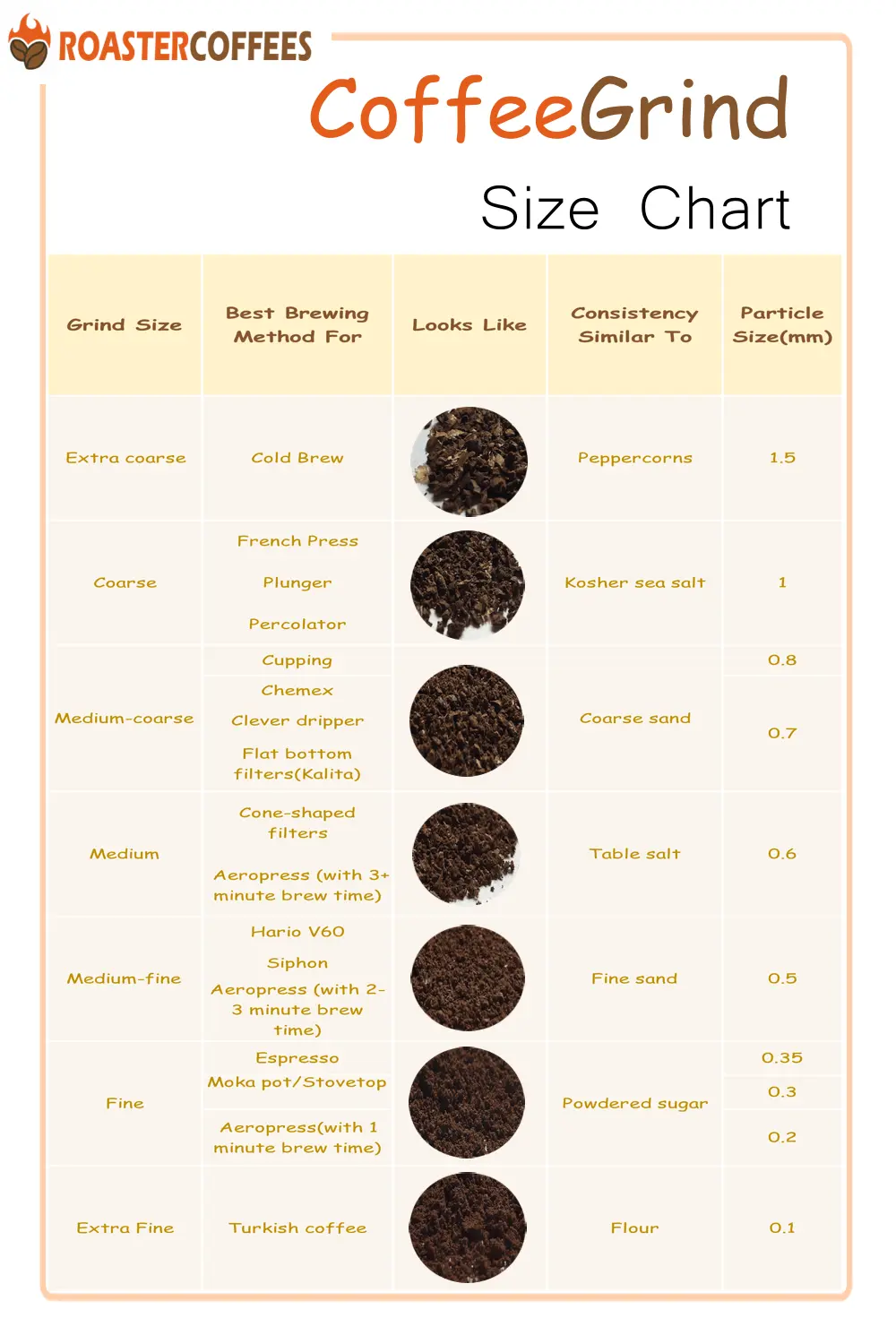
Arabica beans, known for their smoother and more complex flavors, tend to have a finer, more delicate structure. As a result, they are best ground to a medium or medium-fine grind, especially for methods like pour-over or drip coffee. These brewing methods benefit from a consistent, even grind to extract the subtle flavor nuances of Arabica coffee.
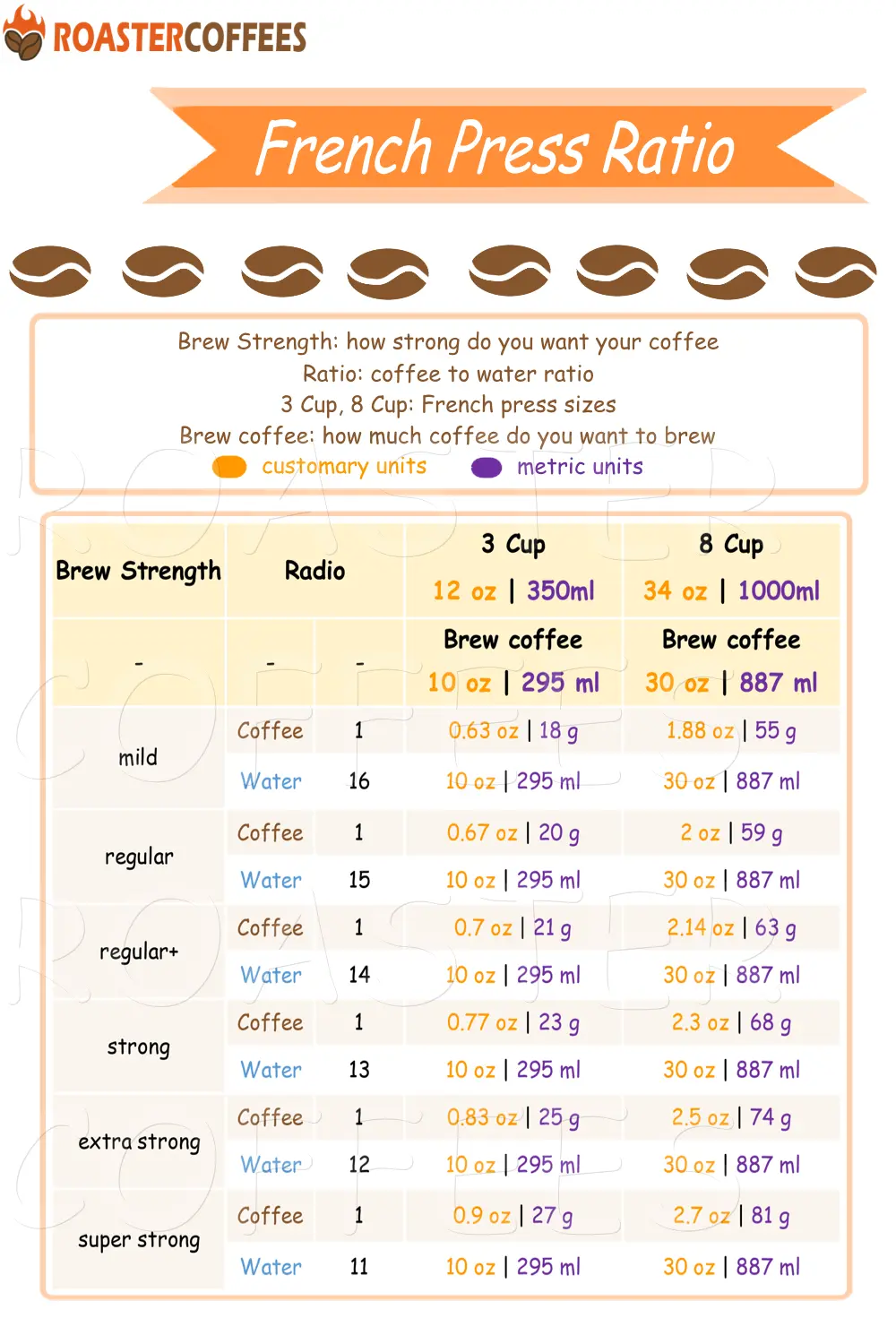
On the other hand, Robusta beans, which are stronger and more bitter with higher caffeine content, have a denser and harder structure. They may require a slightly coarser grind, especially when brewed using methods like French press or espresso. Robusta beans’ robust nature can handle a coarser grind without compromising flavor extraction, as the coffee tends to be bolder and more intense.
Referring to a coffee grind size chart can help ensure you select the right grind size based on your brewing method and the type of coffee bean you're using. It ensures that the grind size complements the bean variety, maximizing flavor extraction and achieving the desired taste profile.
3.1 Geisha (Gesha): The Pinnacle of Coffee Quality
Geisha, also known as Gesha, is one of the most coveted and expensive coffee varieties in the world. Originating from Ethiopia, Geisha is now also grown in countries like Panama, Colombia, and Costa Rica, where it has gained a reputation for producing some of the finest coffees.
Flavor Profile: Geisha coffee is renowned for its complex, floral and fruity flavor, with notes of jasmine, tropical fruits, and citrus. It has a silky texture and a bright acidity, making it highly sought after by specialty coffee aficionados.
Growing Regions: Panama is particularly famous for its Geisha beans, with farms like Boquete producing award-winning lots.
3.2 Bourbon: A Sweet and Balanced Coffee
Bourbon is a variety of Arabica coffee that originated in Ethiopia and is now grown in several Latin American countries, including Brazil, Colombia, and Honduras.
Flavor Profile: Bourbon beans are known for their balanced flavor profile, with sweet, chocolaty, and nutty notes. They often have a smooth body and moderate acidity, making them popular for medium to dark roasts.
Growing Regions: Grown in many Latin American countries, particularly in Brazil, Guatemala, and Honduras.
4. The Impact of Processing and Roasting on Coffee Bean Varieties
The way coffee beans are processed and roasted can have a significant impact on their flavor, regardless of the variety. Different processing methods, such as washed, natural, or honey processing, can enhance or alter the natural flavors of the beans. Similarly, the roasting process—whether it’s light, medium, or dark roast—can bring out different characteristics in each coffee variety.
Light Roasts: Highlight the more delicate and bright flavors of the beans, especially in varieties like Geisha and Ethiopian coffees.
Dark Roasts: Emphasize the chocolaty, smoky, and caramelized notes, making them ideal for varieties like Robusta and Bourbon.
Conclusion: The Diversity of Coffee Beans
The world of coffee beans is rich, complex, and diverse. From the globally dominant Arabica and Robusta to rare and unique species like Liberica and Excelsa, each coffee variety brings something special to the table. By understanding the differences between these species and cultivars, you can deepen your appreciation for the nuanced flavors of coffee and make more informed decisions about your brewing choices.
As you explore different coffee varieties, don't forget that the growing conditions, processing methods, and roasting techniques all contribute to the final cup. By experimenting with various beans from different regions and cultivars, you can embark on a journey of flavor discovery, ultimately finding the perfect coffee that suits your palate.
References:
The Art and Science of Cold Brew Coffee: A Complete Guide for Enthusiasts and Professionals
The Beginner's Guide to Pour-Over Coffee: Essential Equipment